A practical, evidence-aware approach to losing weight
Successful weight loss usually comes from a repeatable calorie deficit, not a detox, crash diet or single ingredient. Start with a few measurable changes, assess the trend over several weeks and involve a clinician when health conditions, medications or disordered eating complicate the plan. Water balance can mask fat-loss progress for several days, especially after salty meals, hard workouts or a change in carbohydrate intake.
Choose a useful goal, not just a goal weight
A loss of roughly 5% to 10% of starting weight can improve some weight-related health measures, although benefits and appropriate targets vary by person. A commonly recommended pace is about 1 to 2 pounds per week, but smaller people and those nearing their goal may lose more slowly.
Turn the outcome into behaviors you can control. Examples include preparing lunch four days a week, walking after dinner or replacing a daily sweetened drink with water. Water balance can mask fat-loss progress for several days, especially after salty meals, hard workouts or a change in carbohydrate intake.
- Record a starting weight, waist measurement and one health-related goal.
- Pick two changes you can continue on busy days.
- Review the four-week trend rather than reacting to one weigh-in.
- Avoid deadlines tied to vacations, weddings or achieving a so-called bikini body.
Your first two weeks
For seven days, observe your normal routine without trying to make it perfect. Note meals, beverages, approximate portions, sleep and movement; this often reveals a few high-impact changes without requiring permanent calorie counting.
During week two, build meals around protein and produce, reduce liquid calories and add a scheduled activity. Keep the plan small enough that you can repeat it rather than compensating with severe restriction after an indulgent day.
- Use a plate divided roughly into half non-starchy vegetables, one-quarter protein and one-quarter grains or starchy vegetables.
- Keep fruit, yogurt, eggs, beans or other filling foods readily available.
- Schedule two strength sessions and several walks at realistic times.
- Set a consistent sleep window whenever work and caregiving allow.
Supplements for Weight Loss Tips

LivPure
LivPure combines milk-thistle silymarin, betaine, berberine and glutathione with green-tea compounds to support normal liver function and fat metabolism. The blend emphasizes a healthy liver environment for processing fats and nutrients, with green-tea polyphenols contributing additional plant antioxidants. For weight loss tips, its silymarin, betaine and choline emphasize healthy liver function and normal handling of dietary fats.
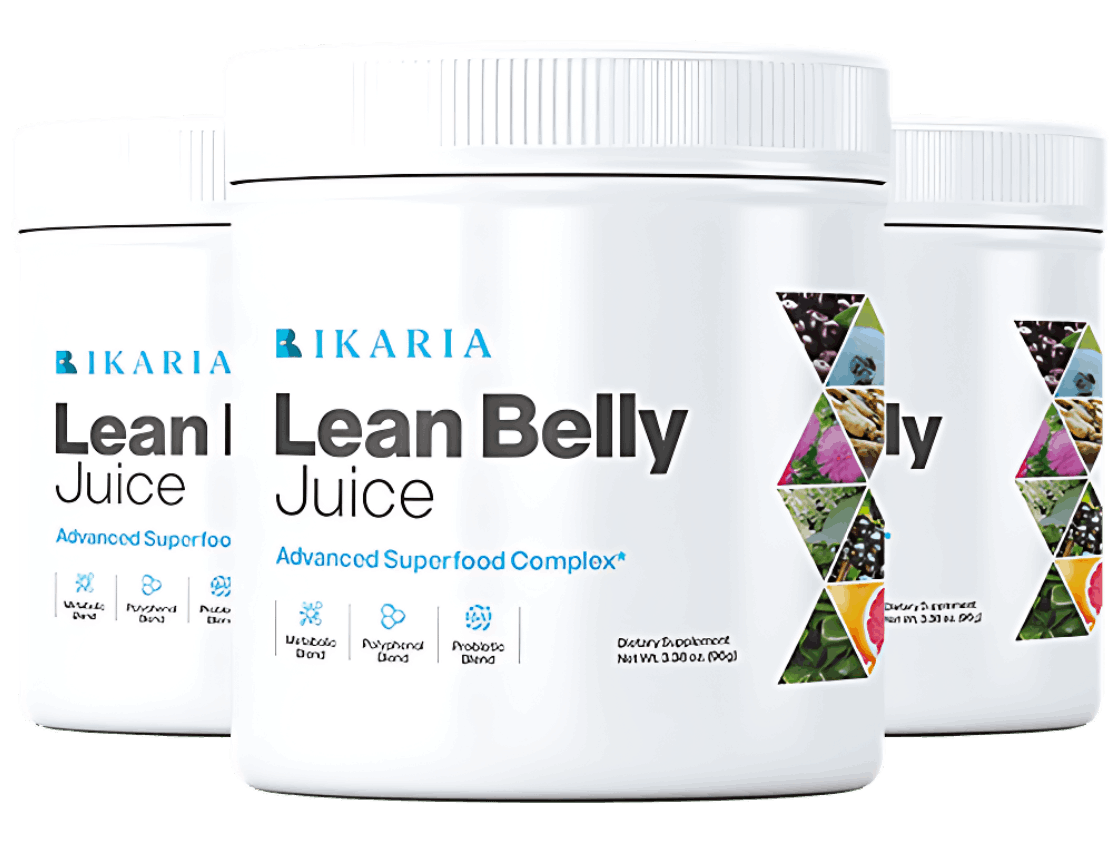
Ikaria Juice
The Ikaria Juice drink mix contains turmeric, milk thistle, green-tea extract and fruit polyphenols, plus fiber and probiotics for gut balance. Inulin helps nourish beneficial gut bacteria; the fruit and green-tea extracts add an antioxidant-focused complement. For weight loss tips, the inulin and probiotic blend targets digestive comfort and an everyday gut-health routine.
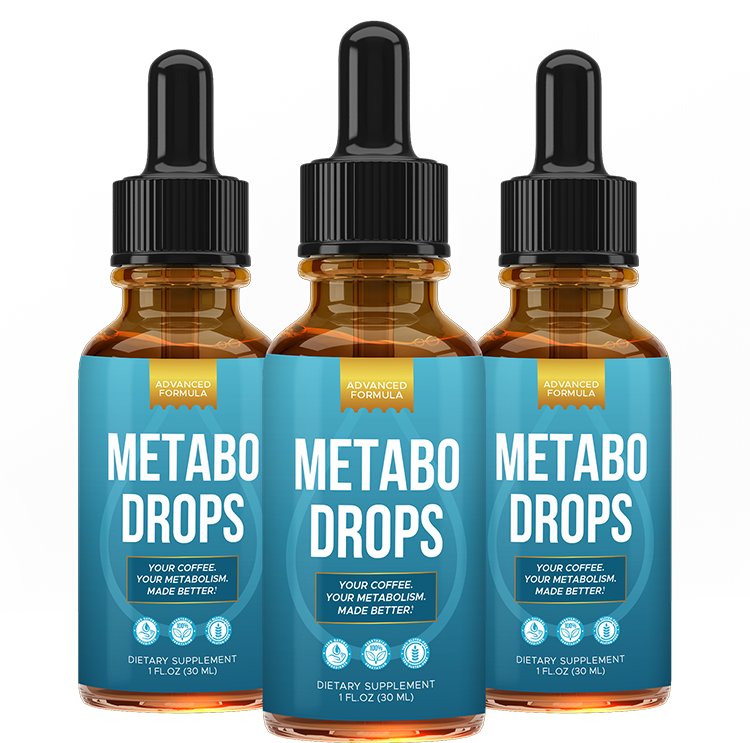
Metabo Drops
Metabo Drops adds chlorogenic acid, green-tea extract, chromium, L-carnitine and L-theanine to coffee in an easy-to-mix liquid. The coffee-mix approach aims to support metabolic efficiency and steady daytime energy, with L-theanine helping balance alertness. For weight loss tips, chromium and botanical polyphenols offer targeted nutrient-metabolism support in a coffee-friendly format.
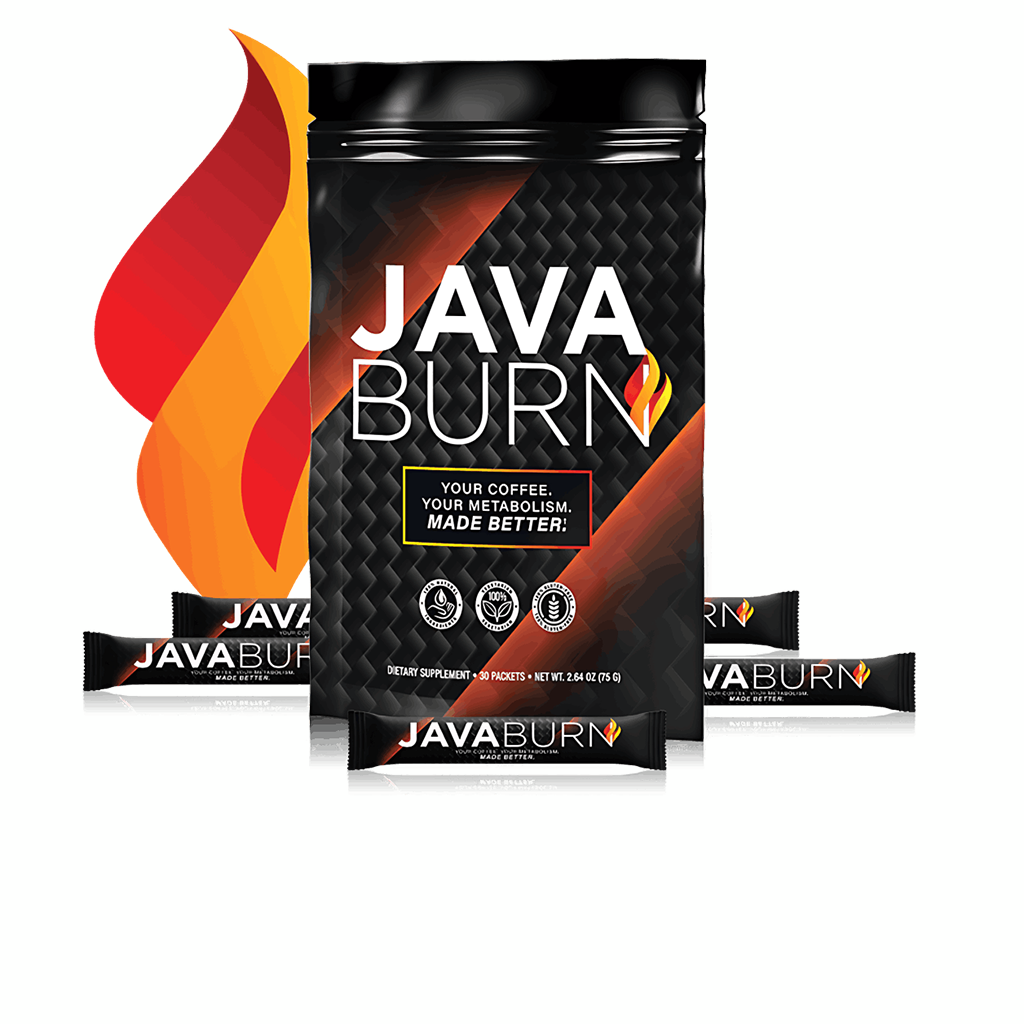
Java Burn
Java Burn uses a coffee-mix format to deliver green tea, chlorogenic acid, L-carnitine, chromium and vitamins B6 and B12 for nutritional metabolism and energy. The formula pairs a coffee-friendly metabolic blend with L-theanine for focus and B vitamins for normal energy-yielding metabolism. For weight loss tips, chromium and botanical polyphenols offer targeted nutrient-metabolism support in a coffee-friendly format.
HepatoBurn
HepatoBurn brings silymarin, glutathione, berberine and choline into a multi-ingredient formula for liver-related metabolic and antioxidant support. Milk thistle and glutathione focus on liver antioxidant health, with berberine and choline adding a nutrient-metabolism component. For weight loss tips, its silymarin, betaine and choline emphasize healthy liver function and normal handling of dietary fats.
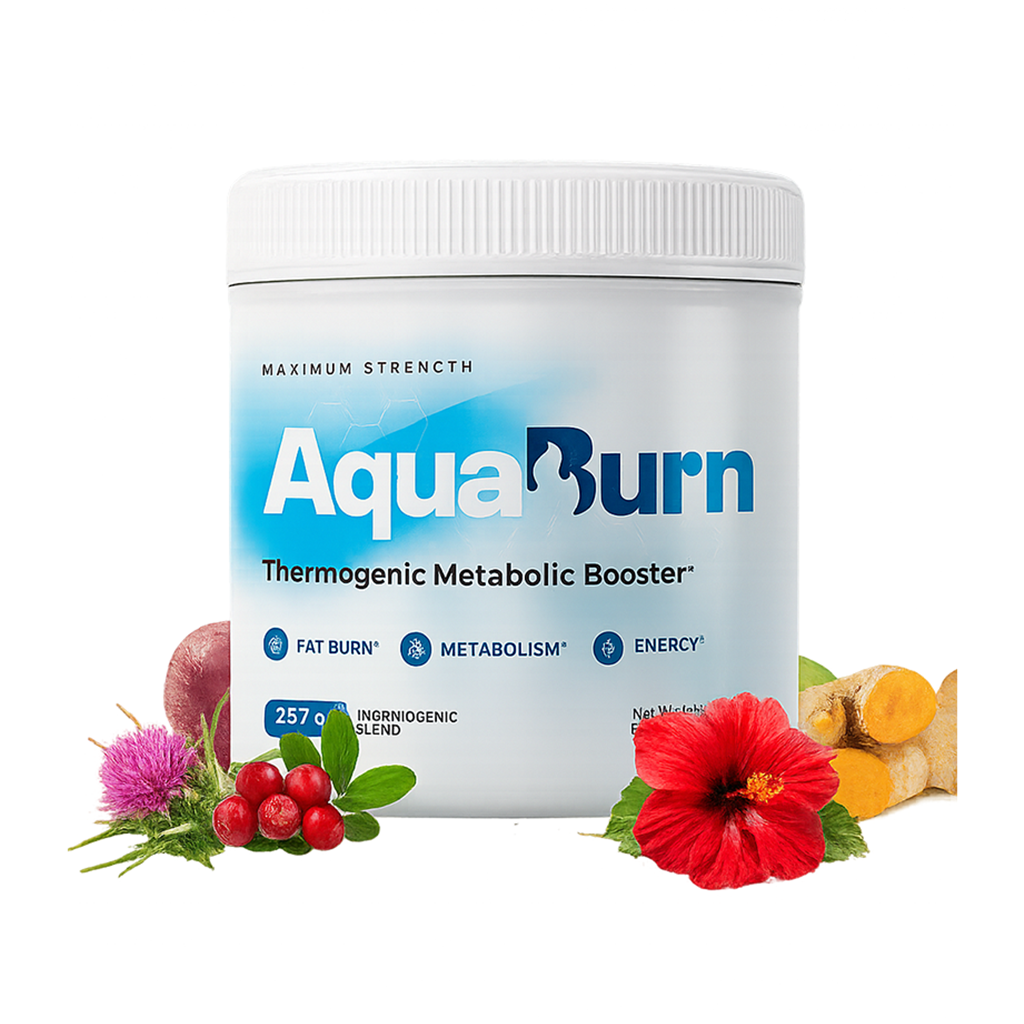
AquaBurn
AquaBurn focuses on botanical energy and metabolic support through green tea, fucoxanthin, ginger, ginseng and antioxidant-rich plant extracts. Its botanical antioxidants include resveratrol, quercetin and turmeric, with Panax ginseng included for everyday vitality. With weight loss tips, its green-tea or fruit polyphenols and selected botanicals provide a focus on energy and antioxidant wellness.
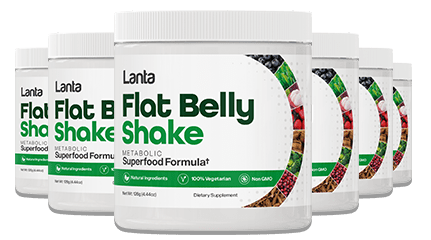
Flat Belly Shake
The Flat Belly Shake drink offers a measured powder serving rather than capsules, making it an option for people organizing daily meal portions. For meal planning, serving size and protein content matter more than the product name, because a satisfying shake needs adequate nutrients. For weight loss tips, the measured drink can contribute to portion planning when its nutrient panel suits the meal.
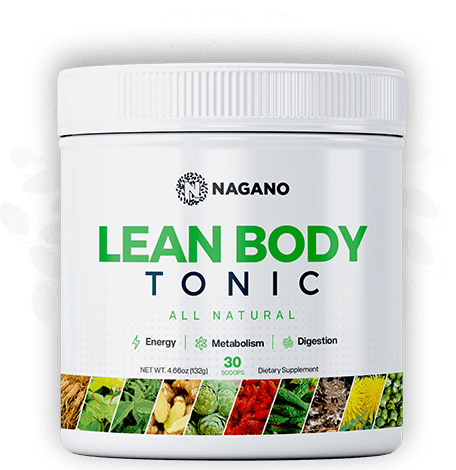
Nagano Tonic
Nagano Tonic is a powdered drink mix made with botanicals and nutrients including camu camu, green-tea EGCG, mangosteen, ginger and inulin. Its formula is promoted for daily metabolic, energy and digestive support; it is not a substitute for balanced nutrition or medical care. When comparing options alongside weight loss tips, review the ingredient label and seller terms before ordering.
Measure progress without letting the scale run the plan
Body weight changes daily because of fluid, sodium, carbohydrate intake, digestion and menstrual-cycle effects. Weigh under similar conditions and compare weekly averages, or use waist measurements and clothing fit if frequent weighing is stressful.
Also track strength, walking pace, blood pressure, energy and consistency. If weight is unchanged for three to four weeks, first verify portions and routine adherence before cutting food further.
- Use the same scale on a firm surface.
- Expect temporary increases after salty meals, travel or harder workouts.
- Treat a lapse as one event, not a reason to abandon the week.
- Reassess intake as body weight changes because energy needs may decline.
When medical input matters
Ask a health professional for individualized help if you have diabetes, kidney or liver disease, uncontrolled blood pressure, significant gastrointestinal symptoms or take medicines that influence appetite or weight. A clinician can also evaluate sleep apnea, thyroid symptoms and other conditions when the history suggests testing is appropriate.
Pregnancy is not a time to pursue intentional weight loss without obstetric guidance. Seek specialized care for binge eating, purging, fainting, compulsive exercise, severe restriction or intense fear surrounding food.
- Bring a medication and supplement list to the appointment.
- Discuss previous attempts, side effects and barriers without minimizing them.
- Ask whether a registered dietitian or obesity-medicine specialist is appropriate.
- Seek urgent care for chest pain, fainting, severe dehydration or persistent vomiting.
Frequently Asked Questions
No. Calorie balance still matters, but structured portions, fewer caloric drinks, higher-fiber foods and regular meal patterns can create a deficit without detailed counting. Short-term tracking can be useful if progress stalls. Compare weekly trends under similar conditions rather than changing a plan after one day.
It may occur in some larger adults, particularly when early fluid loss is included, but it is not an appropriate universal target. A slower trend is often easier to sustain and may better preserve muscle.
The best choice is an activity you can perform consistently and safely. Aerobic exercise increases energy expenditure, while strength training helps preserve or build muscle; most plans benefit from both.